TRETree Lopper Kalamunda

Bamboo Removal for Kalamunda Gardens and Fence Lines

A screen planted along the fence that has crossed into the lawn, a clump that has lifted the paving, a neighbour's bamboo coming under the boundary. Cutting the canes is the easy part; the rhizomes are the job.

Call (08) 7666 4287Request a quote

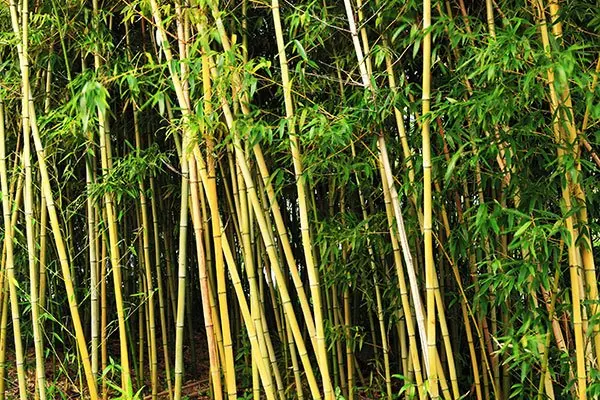
Dense stand of tall yellow-green bamboo canes

What the quote should cover

  1. Area of bamboo to be removed, in square metres or length of fence
  2. Whether it is running or clumping bamboo
  3. Canes cut and removed, and how they are disposed of
  4. Rhizomes dug out, ground, or both, and to what depth
  5. Root barrier supply and installation, if wanted
  6. Any follow-up visit for regrowth

Planning figures live on the cost page; every job is priced after a look on site.

Bamboo in the hills

Bamboo was planted in many hills gardens as a fast screen, a windbreak or a bit of shade. In the right place, with the right type, it does that job well. The problems start when a running variety was planted, or when a clump outgrows its corner.

There are two broad types:

  • Running bamboo spreads by long underground stems called rhizomes. It sends up new canes metres from the original planting, under lawns, paths and fences.
  • Clumping bamboo grows outward slowly from a dense crown. It is far less invasive but can still become huge and heavy.

The hills climate, with wet winters and hot summers, suits both. Bamboo planted against a reticulated garden bed or near a leaking pipe will grow particularly hard.

How bamboo is removed

1. Cut the canes. Canes are cut at ground level and removed. Bamboo canes are hollow but hard and splinter sharply, so they are bundled and carted away rather than chipped on site in most cases.

2. Take out the rhizomes. This is the real job. Rhizomes are dug out with a mini excavator where there is access, or by hand with mattocks and spades on tight or steep sites. A stump grinder can grind a dense clump crown down below the surface.

3. Sieve and check. Small rhizome pieces left in the soil can regrow. Good removal includes going back through the soil to find and remove them.

4. Install a barrier, if wanted. Where bamboo is staying, or coming from a neighbour's side, a purpose-made root barrier buried along the boundary stops rhizomes crossing.

5. Follow up. Expect a few shoots in the following months. Cutting them at ground level as they appear stops the last of the rhizome from recovering.

Things that affect a bamboo job

  • Age and size. An old running stand can have a rhizome mat many square metres in size and well below the surface.
  • Access. On a steep block, or behind a house with narrow side access, digging is slower and more of it is done by hand.
  • What it is growing into. Rhizomes woven through retaining walls, paving bedding or old garden edging take longer to extract.
  • Disposal. Bamboo canes and rhizomes add up to a lot of material. Removal off site should be itemised.

Replacing a bamboo screen

If you want privacy back once the bamboo is gone, consider a clumping bamboo in a contained bed, a native screening shrub, or a hedge species that stays where it is planted. In bushfire prone parts of the hills, choose screening plants with fire in mind, keep them away from the house and maintain them so they do not build up dead material.

Bamboo removal is quoted on site because area, depth and access vary so much. See the cost guide for how hills jobs are priced, or ask for a quote below.

Other work arranged in the hills

Tree LoppingWeight and height taken off jarrah, marri and planted trees that have outgrown hills blocks, cut back to sound points rather than to stubs.
Tree RemovalDead, leaning or unwanted trees dismantled in sections and lowered on ropes, including big hardwoods above houses on sloping blocks.
Stump GrindingStumps ground out below the surface with a machine sized to the driveway, side path or slope it has to travel.
Stump RemovalWhole stumps and major roots dug or pulled out where a slab, retaining wall, pool or driveway is going in.
Palm Tree RemovalWashingtonia, Canary Island date and queen palms taken down or cleaned of dead fronds and seed stalks.
FAQs

Questions people ask before they commit

How do I know if my bamboo is running or clumping?

Running bamboo sends rhizomes out sideways and pops up new canes well away from the main stand, often through lawns and under fences. Clumping bamboo grows in a tight, expanding clump and stays where it is planted. If new canes appear more than about a metre from the stand, it is almost certainly running.

Will bamboo grow back after removal?

It can, from any piece of live rhizome left in the ground. Thorough digging removes most of it, but expect to pull or cut a few new shoots over the following season. Cutting every new shoot at ground level eventually exhausts what is left.

Can bamboo damage my house or paving?

Running bamboo rhizomes can push up paving, invade garden beds and work their way into gaps in old retaining walls. Clumping bamboo is less invasive but large clumps can lift edging and paths close by.

My neighbour's bamboo is coming under the fence. What can I do?

Talk to them first. A root barrier along the boundary is often the best shared fix. You can usually remove canes and rhizomes on your own side, but a barrier deals with the source. If you cannot agree, seek advice before taking further steps.

Can bamboo be poisoned instead of dug out?

Herbicide alone is slow and unreliable on established bamboo, because the rhizome network stores so much energy. Mechanical removal, followed by cutting any regrowth, is the more dependable approach. Any chemical use should follow the label and local rules.

Free, no-obligation

Get your free quote today

Tell us about the tree

Tree Lopper Kalamunda Call (08) 7666 4287 Free on-site quote
Call (08) 7666 4287